six-time web design
award winner since 2001
WE MAKE YOU LOOK GOOD
WEB DESIGN & BRANDING
 949 570 4845




Maintenance Service
The Importance of Website Maintenance and Web Security in 2026
In today’s digital landscape, your website is more than just an online presence—it’s the backbone of your business. Whether you run a corporate website, an eCommerce store, or a WordPress blog, regular website maintenance and strong web security are critical to performance, trust, and long-term success.
Ignoring maintenance can lead to security breaches, poor performance, loss of data, and even a complete website shutdown. In this article, we’ll explore why website maintenance matters, the dangers of outdated WordPress sites, and how cybersecurity threats like hackers, malware, and bot attacks can impact your business.
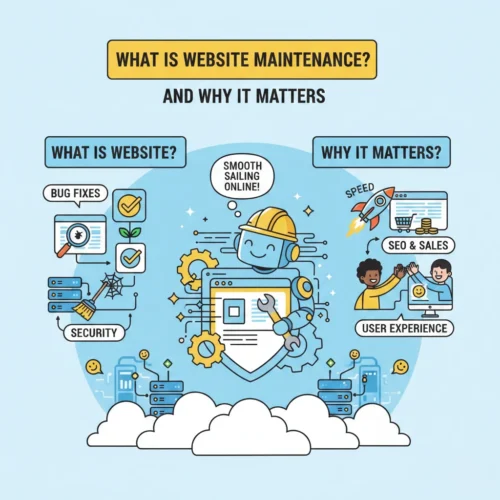
What Is Website Maintenance and Why It Matters
Website maintenance is the ongoing process of updating, monitoring, and optimizing your website to ensure it runs smoothly, securely, and efficiently. This includes:
- Updating CMS, themes, and plugins
- Fixing bugs and broken links
- Monitoring uptime and performance
- Running backups and security scans
Without regular maintenance, websites become vulnerable to attacks, slow loading speeds, and compatibility issues—leading to a poor user experience and lower search engine rankings.
SEO tip: Google favors fast, secure, and well-maintained websites, making maintenance a direct ranking factor.
Web Security: A Critical Part of Website Maintenance
Web security is no longer optional. Cyberattacks are increasing every year, and websites of all sizes are targeted—not just large corporations.
A secure website protects:
- Customer data
- Business reputation
- Search engine rankings
- Revenue and conversions
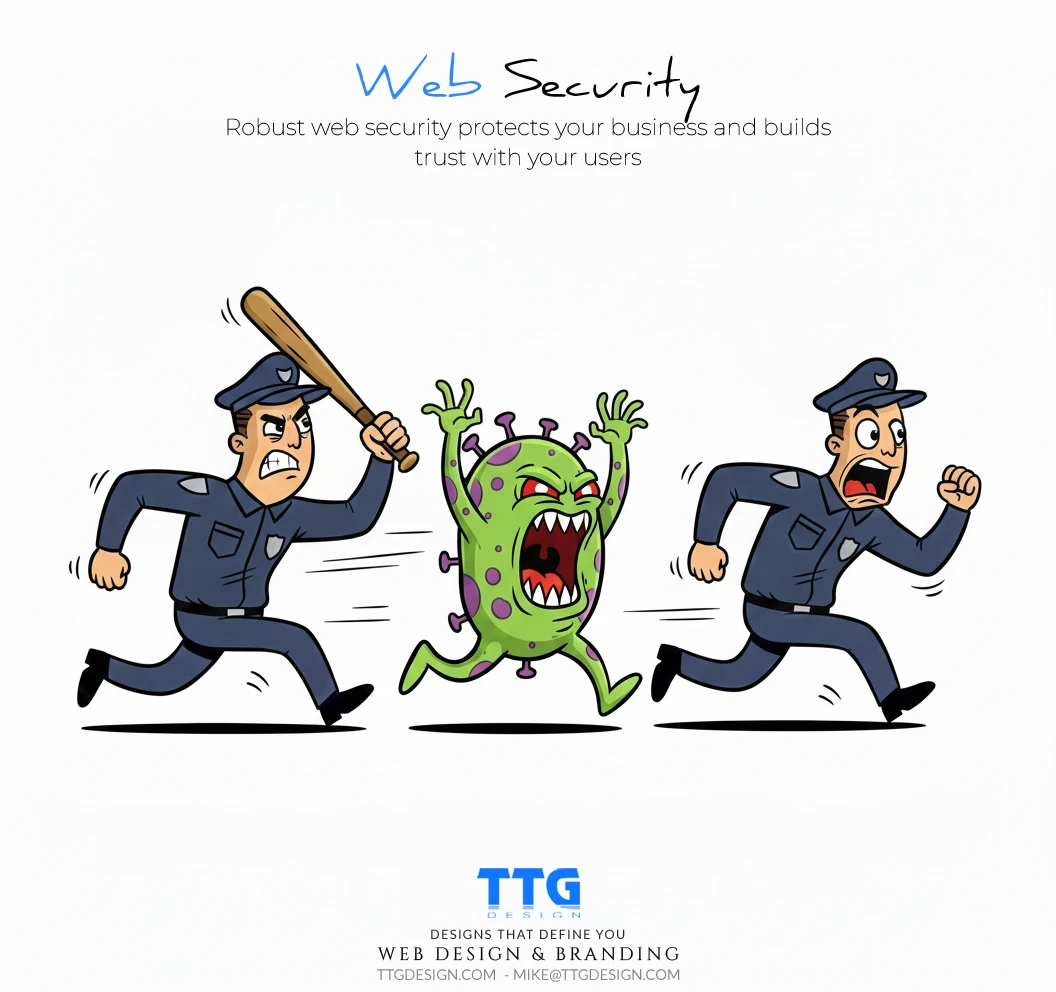
Failing to implement proper website security can result in stolen data, blacklisting by search engines, and loss of customer trust.
Hackers: Why Small Websites Are Also Targets
Many website owners believe hackers only target big brands. In reality, automated hacking tools scan the internet for vulnerable websites, especially small and medium-sized WordPress sites.
Hackers may:
- Inject malicious code
- Redirect visitors to spam or scam sites
- Steal login credentials
- Use your server to attack other websites
Once compromised, a website can be difficult and expensive to recover—especially without recent backups.
Vulnerabilities of Outdated WordPress Websites
WordPress powers over 40% of the web, making it a prime target for cybercriminals. Outdated WordPress core files, themes, and plugins are one of the biggest security risks.
Common vulnerabilities include:
- Unpatched security flaws
- Abandoned plugins with known exploits
- Incompatible PHP versions
- Weak administrator passwords
Regular WordPress updates close security gaps and protect your site from known threats. Delaying updates increases the risk of a successful attack.
Malware Infections and Their Hidden Dangers
Malware can infect your website without any visible signs at first. Over time, it can:
- Slow down your website
- Redirect visitors to malicious pages
- Inject spam links (SEO spam)
- Get your site blacklisted by Google
A malware-infected website damages your credibility and search engine rankings. Regular security scans and monitoring are essential to detect and remove malware early.
Bot Attacks and Automated Threats
Bots constantly crawl the internet looking for weaknesses. While some bots are harmless (like search engine crawlers), malicious bots can cause serious damage.
Common bot attacks include:
- Brute force login attempts
- Fake account registrations
- Content scraping
- DDoS attacks that crash your website
Implementing firewalls, CAPTCHA, rate limiting, and security plugins helps block malicious bot traffic and protect your website resources.
Spam Through Contact Forms: More Than an Annoyance
Spam submissions through contact forms are not just frustrating—they’re a security risk. Spam bots can:
- Overload your inbox
- Inject malicious links
- Attempt phishing attacks
- Slow down server performance
Proper form protection, reCAPTCHA, and spam filters should be part of every website maintenance plan.
Backup and Restore: Your Safety Net
No security strategy is complete without regular website backups. Backups allow you to restore your website quickly in case of:
- Hacking incidents
- Malware infections
- Failed updates
- Accidental data loss
- Best practices include:
Automated daily backups
Off-site or cloud storage
Regular restore testing
A reliable backup and restore system can save hours of downtime and thousands in recovery costs.
Website Downtime: The Cost of Being Offline
A website that goes down can cost you:
- Lost sales and leads
- Damaged brand reputation
- Lower SEO rankings
- Customer frustration
Downtime can be caused by server issues, malware, plugin conflicts, or cyberattacks. Continuous monitoring ensures issues are detected and resolved before they affect users.
Final Thoughts: Maintenance Is an Investment, Not a Cost
Website maintenance and web security are not optional expenses—they are investments in your business’s stability, performance, and reputation. A well-maintained, secure website builds trust, improves SEO, and protects you from costly cyber threats.
By keeping your WordPress website updated, securing it against hackers, monitoring for malware and bot attacks, and maintaining reliable backups, you ensure your website remains fast, safe, and always online.
In the digital world, prevention is always cheaper than recovery.
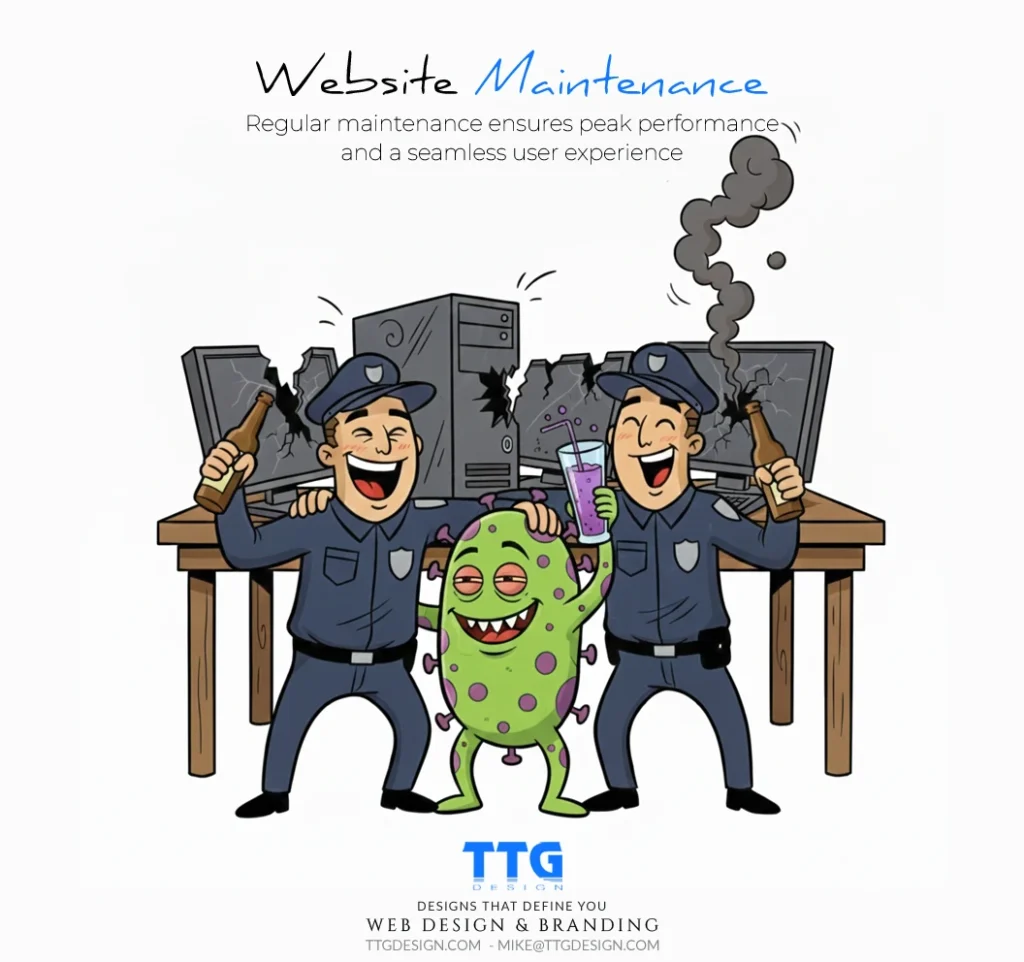
What we can do for you?
• Disaster Recovery Plan
Your website files and database are fully backed up to protect against server crashes or malware attacks. If anything goes wrong, we’ll restore your site quickly—so you never lose your data or online presence.
• WordPress Core Updates
Outdated WordPress installations are more susceptible to security threats. We regularly update your site to the latest WordPress version to keep it safe, stable, and performing at its best.
• Malware & Virus Protection
We install and configure advanced malware scanners and security plugins to detect, remove, and report any malicious activity, keeping your site protected at all times.
• Routine Updates & Maintenance
We’ll update all plugins, copyright dates, and perform regular checkups to ensure your site stays current and functional.